Clinical Advice & Sports Injury Guidance
Practical guidance for common sports injuries encountered at events, competitions and training environments across the UK.
These guides are informed by the real-world experience of GWAS Ambulance Group clinicians, who collectively provide medical cover at thousands of sporting events, competitions and outdoor events across the United Kingdom each year.
The guidance is intended to support athletes, coaches, event staff and first responders with the recognition and initial management of common sporting injuries. Each guide covers overview, causes, symptoms, immediate actions and when to seek further medical assessment.
This guidance does not replace professional medical assessment. If symptoms are severe or you are concerned, seek medical advice immediately. In an emergency, call 999.
Cooling & Compression in Sports Injury Care
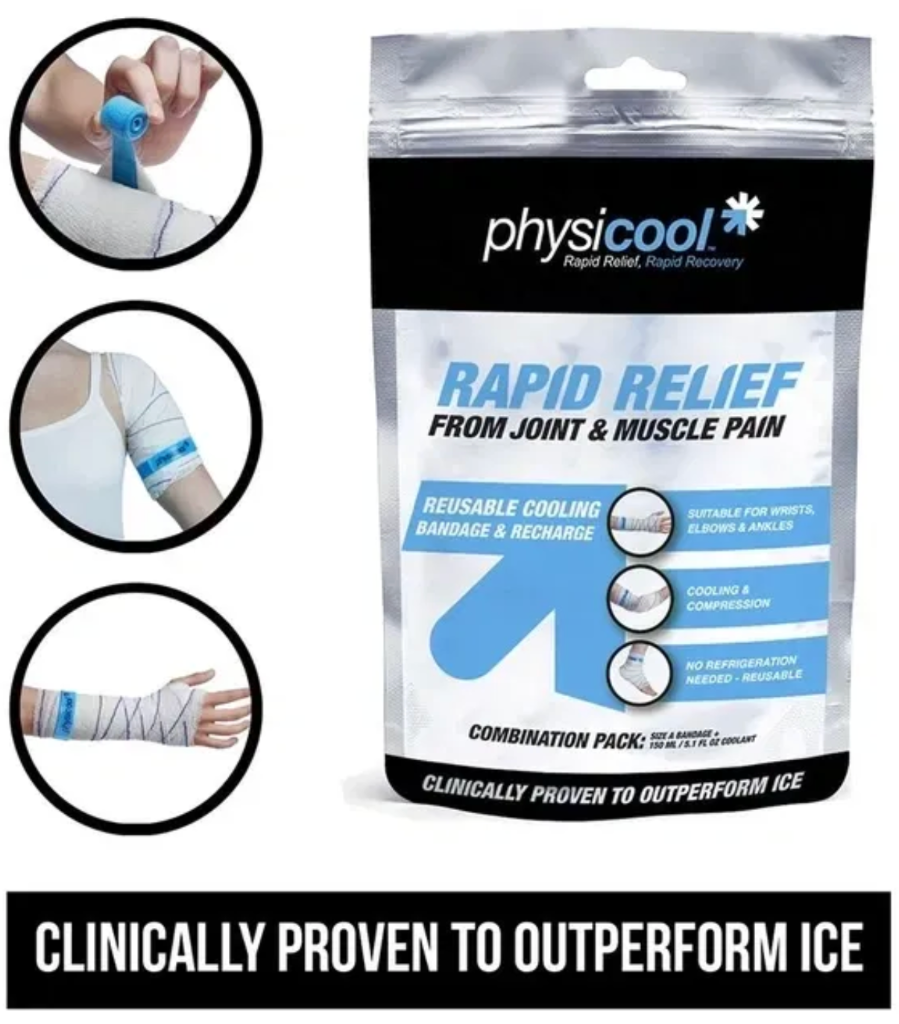
Many athletes, riders and teams will have seen GWAS clinicians using Physicool Rapid Relief Cooling Wraps during sporting events.
Physicool evaporative cooling wraps first gained wider recognition following their appearance on BBC Dragons' Den in 2009. GWAS clinicians were early adopters shortly after their release and have used them extensively in sporting environments ever since.
Early cooling and compression can help reduce pain and swelling following soft tissue injury. Modern evaporative cooling wraps provide prolonged cooling without the risks associated with traditional ice packs.
These wraps are commonly used by our clinicians when managing soft tissue injuries during sporting events.
Sports Injury Guides
Select a guide below for detailed advice on recognition, immediate management and when to seek emergency care.
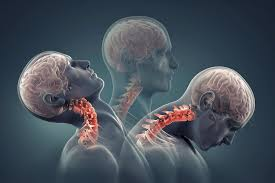
Concussion in Sport
Recognition, immediate management and graduated return-to-sport guidance for concussion in athletes.
Read Guide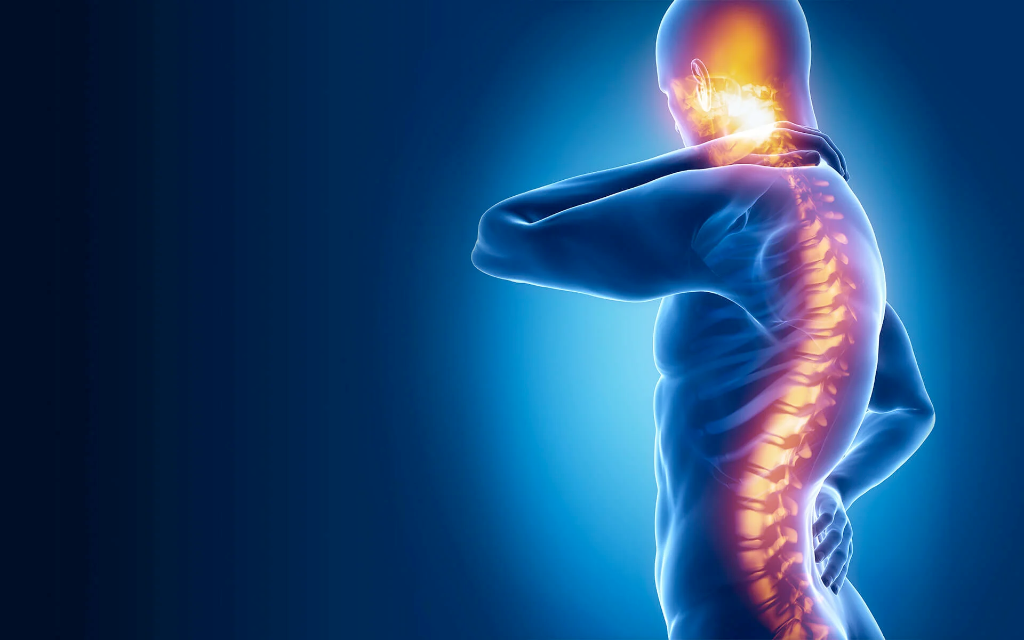
Spinal Injury First Aid
Immediate management of suspected spinal injuries in sporting and event environments.
Read Guide
Heat Illness & Heat Stroke
Recognising and treating heat exhaustion and heat stroke in athletes and event participants.
Read Guide
Dehydration in Athletes
Prevention, recognition and management of dehydration during sport, training and competition.
Read Guide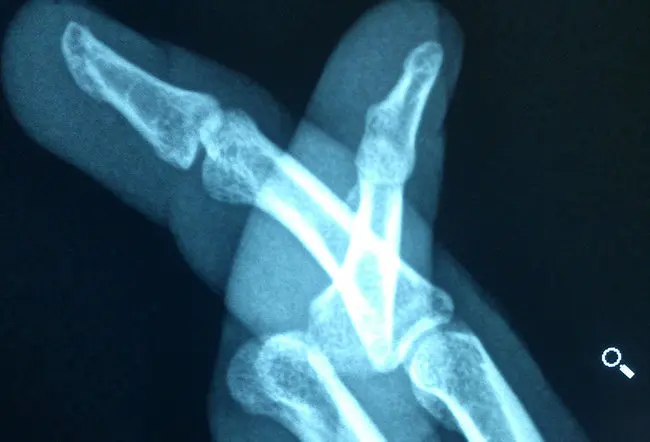
Fractures & Dislocations
Immediate first aid and management of suspected fractures and joint dislocations.
Read Guide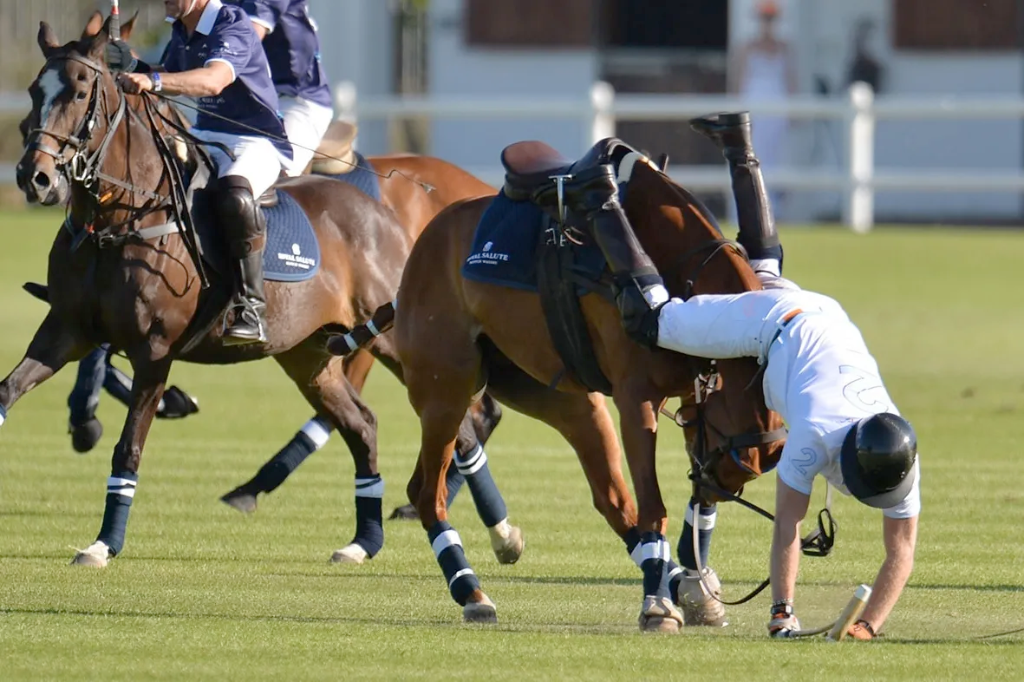
Head Injuries in Equestrian Sport
Managing head injuries in polo, horse trials and equestrian competitions, including helmet considerations.
Read Guide
Cycling Crash Injuries
Assessment and management of injuries following crashes in road racing, sportives and mountain biking.
Read Guide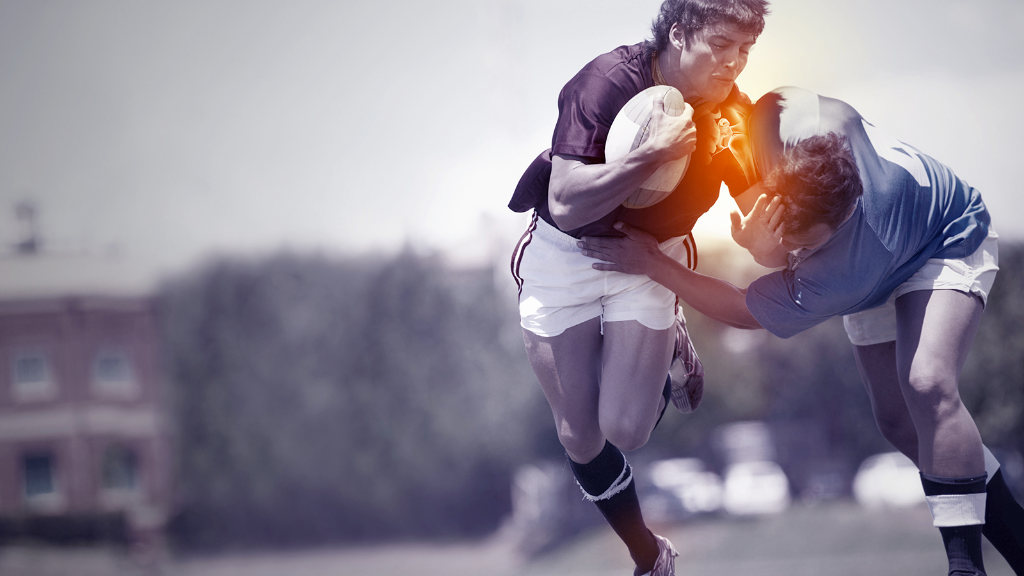
Rugby Contact Injuries
Common contact injuries in rugby and concussion protocol guidance for pitch-side responders.
Read Guide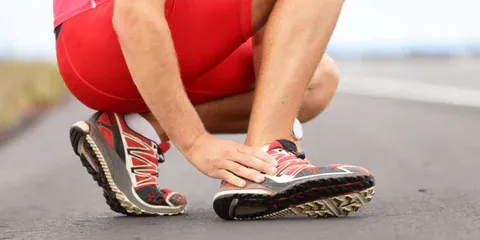
Strains & Sprains
First aid and management of muscle strains and ligament sprains across all sporting disciplines.
Read Guide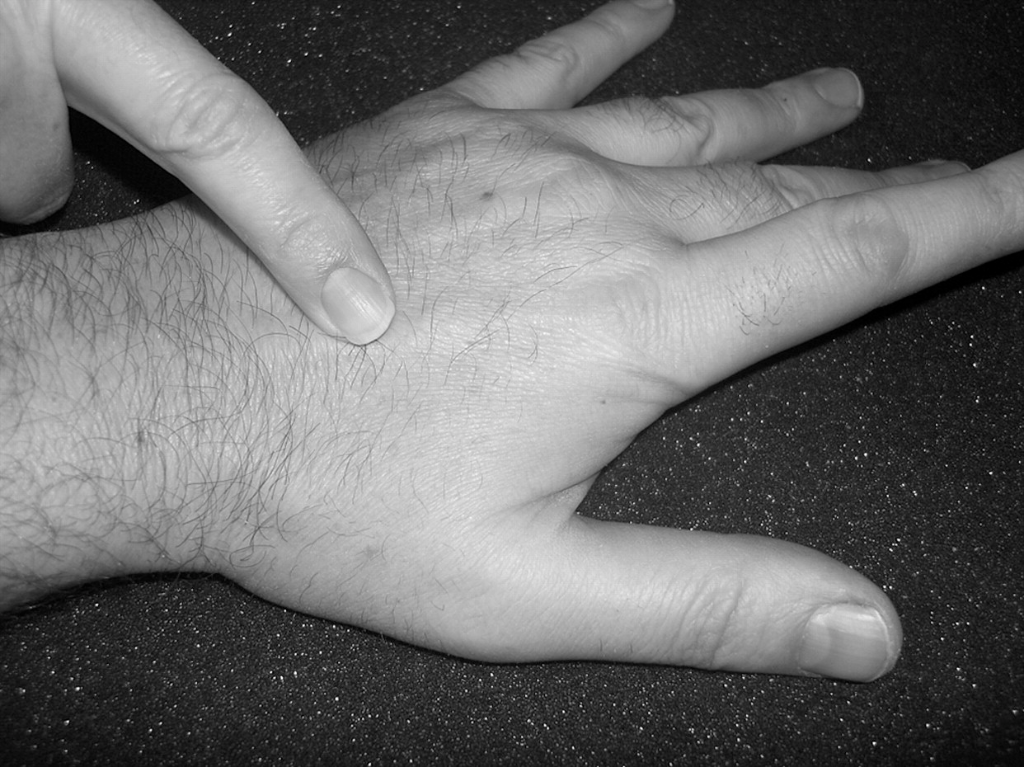
Soft Tissue Injury
Understanding and treating contusions, haematomas and soft tissue damage sustained during sport.
Read Guide
Foot & Ankle Injury
Recognising and managing ankle sprains, foot fractures and Achilles tendon injuries at events.
Read Guide
Knee Injury
ACL, MCL, meniscal tears and patellar dislocations — assessment and pitchside management.
Read Guide
Migraines & Head Injury
Distinguishing migraines from head injury, and recognising serious neurological presentations in sport.
Read Guide
Back Injury
Managing acute back strains, disc injury and red flag spinal symptoms in sporting environments.
Read Guide
Hip & Groin Injury
Adductor strains, hip fractures and groin pain recognition for athletes and event medical teams.
Read Guide
Wrist & Hand Injury
Scaphoid fractures, dislocations and ligament injuries of the wrist and hand in sport.
Read Guide
Repetitive Strain Injury
Overuse and repetitive strain conditions including tendinopathy, shin splints and tennis elbow.
Read Guide
Shoulder Injury
Shoulder dislocations, AC joint sprains, clavicle fractures and rotator cuff injuries in sport.
Read GuideWhy Trained Medical Cover Matters
At organised sporting events, the presence of trained medical professionals significantly improves outcomes for injured participants. Rapid recognition and management of injuries such as concussion, spinal trauma and heat illness requires both clinical knowledge and the right equipment — neither of which are reliably available without dedicated event medical provision.
GWAS Ambulance Group provides specialist medical cover across a wide range of environments, with clinicians experienced in the injury profiles specific to each sport and event type.
Polo & Equestrian
Pitchside medical cover for polo tournaments and equestrian competitions across the UK.
Rugby
Pitch-side medical support including HIA-qualified clinicians for amateur and professional fixtures.
Cycling Events
Route-based medical provision for road races, sportives and mountain bike events.
Outdoor Sporting Events
Flexible deployment to sporting events in parks, airfields and rural venues.
This guidance is provided for informational purposes only and does not replace professional medical advice or emergency care. If a serious injury is suspected, contact emergency services immediately.