Spinal Injury First Aid
Recognition and immediate management of suspected spinal injuries in sporting and event environments.
Overview
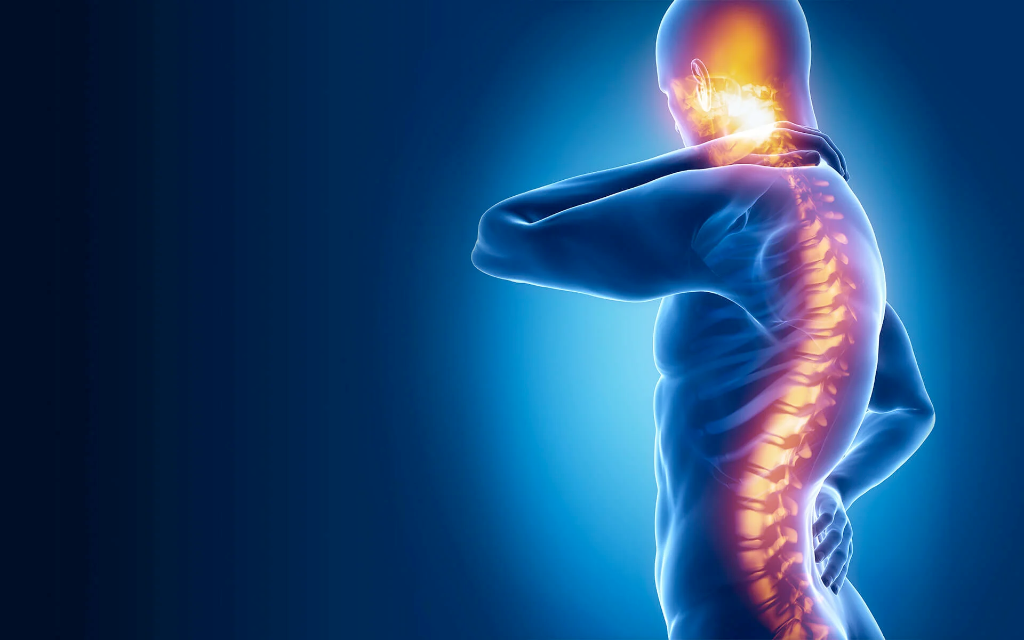
Spinal injuries represent some of the most serious injuries that can occur in sport. They can affect the cervical (neck), thoracic (mid-back) or lumbar (lower back) regions of the spine. In the worst cases, damage to the spinal cord can result in permanent paralysis or loss of sensation below the level of injury.
The immediate management of a suspected spinal injury is critical. Inappropriate movement of a casualty with an unstable spinal injury can convert a recoverable injury into a catastrophic one. All first responders and event medical teams must understand when to suspect a spinal injury and how to manage the casualty until specialist help arrives.
Common Causes
- Falls from height, including falls from horses in equestrian and polo events
- High-speed cycling crashes with impact to the head or neck
- Scrum collapses in rugby or other contact sport impacts
- Diving into shallow water
- Motor vehicle collisions during motorsport events
- Direct blunt force trauma to the back or neck
- Being struck by a horse's hoof
- Gymnastics or acrobatic falls
Signs and Symptoms
Signs may not always be immediately obvious, particularly if the casualty is unconscious. Always suspect spinal injury in any mechanism involving significant force to the head, neck or back.
- Neck or back pain following an impact
- Tenderness along the spine when gently palpated
- Weakness, numbness or tingling in arms, hands, legs or feet
- Inability to move limbs or reduced strength
- Loss of bladder or bowel control
- A sensation of electric shock through the limbs
- Unusual posture of the head or neck following a fall
- Unconsciousness following significant head or neck trauma
Immediate Actions
- Keep the casualty still — instruct them not to move
- Apply manual in-line stabilisation of the head and neck with both hands
- Call 999 immediately
- Talk to the casualty calmly to keep them still while awaiting help
- If the casualty is unconscious but breathing, maintain the airway in the position found
- If the airway is compromised and the casualty is not breathing, airway management takes priority over spinal precautions
- Do not attempt to straighten the spine or correct the head position
- Continue in-line stabilisation until handover to emergency services
When to Call Emergency Services
- The casualty is unconscious following a significant impact
- There is any complaint of neck or back pain following trauma
- Weakness, numbness or tingling is reported in the limbs
- The casualty is unable to move their arms or legs
- The mechanism of injury carries a significant risk (fall from height, high-speed collision)
- The casualty reports their legs feel 'heavy' or unusual
Event Environment Considerations
Managing suspected spinal injuries at outdoor and sporting events presents specific challenges that require advance planning:
- In equestrian and polo environments, ensure horses are moved away before approaching the casualty
- Spectators and other players should be kept clear of the area
- In cycling events, coordinate with race officials to halt or neutralise the race
- At airfield environments, ensure the area is safe and aircraft operations are paused if necessary
- Access for emergency vehicles should be kept clear at all times during an event
- Event medical teams should carry appropriate spinal immobilisation equipment including collars and spineboards
Prevention Advice
- Wear appropriate protective equipment including helmets and body armour in high-risk sports
- Ensure playing surfaces, arenas and event environments are properly maintained
- Implement safe technique training for high-risk activities such as scrummaging in rugby
- Train event staff and coaches in spinal injury recognition and management
- Ensure adequate medical cover is in place for high-risk sporting events
- Inspect and maintain all safety equipment including helmets and neck guards
When to Seek Medical Assessment
Any athlete or participant who has experienced significant trauma to the head, neck or back should receive a medical assessment, even if initial symptoms appear mild. Spinal injuries can evolve over hours and early imaging is important to exclude serious injury.
- Any loss of consciousness following head or neck trauma
- Neck or back pain following any significant impact
- Any transient neurological symptoms, including tingling or weakness
- Stiffness or reduced range of movement in the neck or back following an incident
- Concern following a significant fall, even without obvious symptoms
This guidance is provided for informational purposes only and does not replace professional medical advice or emergency medical care.