Shoulder Injury
Recognition and management of shoulder injuries in sport, from dislocations and fractures to rotator cuff and acromioclavicular injuries.
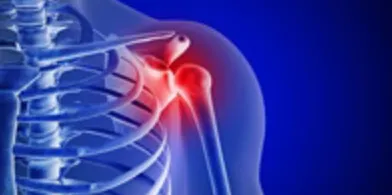
Overview
The shoulder is the most mobile joint in the body, and this mobility comes at the cost of inherent stability. Shoulder injuries are extremely common in contact sports, throwing disciplines, equestrian events and cycling, and can range from minor sprains to serious dislocations, fractures and rotator cuff tears.
The most frequently seen shoulder injuries in sport include anterior shoulder dislocation, acromioclavicular (AC) joint sprains, clavicle fractures, rotator cuff tears and shoulder impingement syndrome. Accurate initial assessment is critical, as inappropriate management of a dislocation or fracture can worsen the outcome.
Common Causes
- Falls onto an outstretched hand or directly onto the shoulder
- Collision causing a direct impact to the shoulder
- Forced arm abduction or external rotation causing anterior dislocation
- Overuse from repetitive overhead movements in throwing, swimming or racquet sports
- Falling from a horse in equestrian sport
- Tackle or collision impact in rugby
- Cycling crash with shoulder impact
- Sudden extreme effort in throwing or lifting
Signs and Symptoms
- Acute pain at the shoulder following trauma
- Visible deformity — a prominent bony step at the AC joint or loss of normal shoulder contour in dislocation
- Inability to move the arm or lift it away from the body
- The arm held close to the body and supported by the opposite hand (classic dislocation posture)
- Tenderness over the AC joint, clavicle or greater tuberosity
- Weakness and pain on overhead activity (rotator cuff injury)
- Clicking, snapping or catching in the shoulder joint
- In chronic impingement: a painful arc of movement between 60° and 120°
- The normal rounded contour of the shoulder is lost
- There is a prominent bulge at the front of the shoulder
- The athlete holds the arm slightly away from the body, unable to adduct it
- There is severe pain and any attempt at movement is resisted
Immediate Actions
- Remove the athlete from play and support the injured arm in a comfortable position
- Apply a sling to support the arm and reduce pain
- Do not attempt to relocate a dislocated shoulder in the field without appropriate training, equipment and analgesia
- Apply cooling to the shoulder to reduce swelling and pain
- Arrange transfer to hospital for X-ray and further management
- Assess neurovascular status of the arm — check sensation, circulation and axillary nerve function
- For AC joint sprain, immobilise in a sling and refer for further assessment
When to Seek Medical Attention
- There is visible deformity of the shoulder
- The athlete is unable to move the arm following trauma
- There is tenderness over the clavicle or AC joint
- Neurovascular compromise is suspected — numbness, pins and needles or pallor of the arm
- A dislocation is suspected
- Symptoms of rotator cuff tear — severe weakness on external rotation or arm elevation
- Symptoms persist beyond 48–72 hours without improvement
Prevention Advice
- Strengthen the rotator cuff and periscapular muscles through sport-specific conditioning
- Develop proper falling technique to minimise shoulder impact loading
- Wear shoulder padding in contact sports where appropriate
- Address any posture or biomechanical issues contributing to impingement
- Following a first dislocation, complete a structured rehabilitation programme to reduce the risk of recurrence
- Avoid sudden increases in throwing volume or overhead activity
- Seek early physiotherapy for shoulder pain before it progresses
Event Environment Considerations
- Slings and immobilisation equipment should be immediately available at all events
- Suspected dislocations or fractures must be immobilised and transferred to hospital — do not attempt field reduction without appropriate assessment
- Neurovascular assessment of the arm is essential following significant shoulder trauma
- In equestrian and cycling events, shoulder injuries from falls are common — event medical plans should include protocols for their management
- Athletes with a history of recurrent shoulder dislocation should declare this to the event medical team so appropriate taping or bracing can be considered
This guidance is provided for informational purposes only and does not replace professional medical advice or emergency medical care.