Migraines & Head Injury
Recognising and managing migraines and non-concussive head injuries in sporting environments.
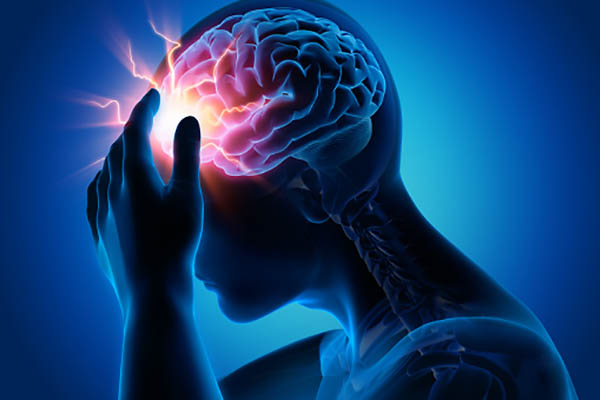
Overview
Head injuries and migraines both present with headache, visual disturbance and cognitive symptoms, and distinguishing between them at a sporting event can be challenging. Any athlete who sustains a head injury must be assessed for concussion before a neurological cause such as migraine is assumed.
Migraines are a common neurological condition and can be triggered by the physical demands of sport, dehydration, heat, bright sunlight or changes in sleep patterns. While migraines are not caused by trauma, an athlete presenting with a sudden onset headache after physical exertion must be assessed carefully to exclude more serious causes.
Common Causes
Head injuries in sport:
- Direct impact to the head during falls, collisions or contact
- Force transmitted to the brain via body impact
- Falls from horses in equestrian and polo sport
- High-speed cycling or motorsport crashes
Migraine triggers during sport:
- Dehydration and electrolyte imbalance
- Overexertion or high-intensity exercise
- Exposure to bright sunlight or glare
- Hypoglycaemia (low blood sugar)
- Heat and humidity
- Disrupted sleep and pre-competition anxiety
- Strong smells or environmental triggers at outdoor events
Signs and Symptoms
Migraine:
- Moderate to severe throbbing or pulsating headache, often one-sided
- Visual aura — zigzag lines, blind spots or flashing lights
- Nausea or vomiting
- Sensitivity to light and sound
- Gradual onset over minutes to hours
Non-concussive head injury / scalp wound:
- Localised pain and tenderness at the site of impact
- Swelling or laceration of the scalp
- Brief dizziness following impact without ongoing cognitive symptoms
- Sudden 'thunderclap' headache — the worst headache of the person's life
- Headache following head trauma with confusion, vomiting or deteriorating consciousness
- New neurological symptoms including weakness, speech difficulty or vision loss
- Headache with fever, neck stiffness or rash
Immediate Actions
- Remove the athlete from play and assess for concussion using SCAT5 or equivalent tool
- If concussion cannot be excluded, manage as concussion — do not return to play
- Move the athlete to a quiet, shaded area away from noise and bright light
- Offer water if the athlete is conscious and not vomiting
- Allow the athlete to rest in a comfortable position
- Monitor for any deterioration in conscious level, new neurological symptoms or worsening headache
- Call 999 if there is any concern about serious intracranial injury
When to Seek Medical Attention
- The headache began suddenly and is described as the worst ever experienced
- There is any alteration in consciousness, confusion or deterioration
- There are new neurological symptoms: weakness, slurred speech, vision changes
- Repeated vomiting or severe nausea accompanies the headache
- The athlete has a history of head injury in the preceding 24–48 hours
- Fever, neck stiffness or a non-blanching rash is present alongside headache
Prevention Advice
- Athletes with a known migraine history should discuss exercise management with their GP or neurologist
- Maintain good hydration before and during sport
- Avoid known personal migraine triggers in the days before competition
- Wear appropriate head protection for sports with a risk of head impact
- Ensure adequate nutrition and blood sugar management during prolonged events
- Manage sleep patterns consistently in the lead-up to competition
Event Environment Considerations
- All event medical staff should be trained in concussion recognition and management
- A quiet, low-stimulation assessment area should be available at all events
- Athletes with a known migraine history should declare this to the event medical team
- Medical teams should carry appropriate analgesia and anti-emetics for managing confirmed migraine presentations
- Any headache following trauma must be documented and the athlete must not return to play without clinical clearance
This guidance is provided for informational purposes only and does not replace professional medical advice or emergency medical care.