Foot & Ankle Injury
Recognition and management of foot and ankle injuries in sporting and event environments.
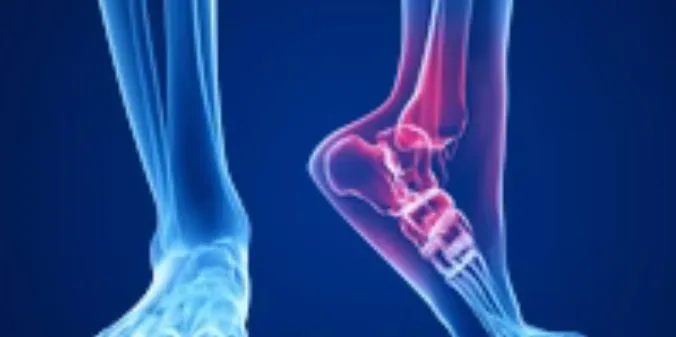
Overview
Foot and ankle injuries are among the most common in sport, affecting athletes across disciplines from running and cycling to polo and team sports. The ankle joint is particularly vulnerable due to its range of motion and the forces placed upon it during activity.
Injuries range from mild lateral ankle sprains to more serious fractures, Achilles tendon ruptures and stress fractures of the foot. Accurate early assessment is essential to distinguish injuries that can be managed conservatively from those requiring hospital investigation.
Common Causes
- Rolling or inverting the ankle during running, jumping or sudden directional change
- Landing awkwardly from a height
- Direct impact to the foot or ankle
- Overuse and repetitive loading in endurance sports
- Playing on uneven, wet or poorly maintained surfaces
- Inadequate ankle stability due to previous injury
- Poorly fitting or inappropriate footwear for the sport
- Horse-related trauma in equestrian sports
Signs and Symptoms
- Pain on the outer, inner or front of the ankle following injury
- Rapid swelling around the ankle joint
- Bruising extending below the ankle or onto the foot
- Tenderness on palpation of bony prominences
- Inability or difficulty bearing weight immediately after the injury
- A feeling of instability or 'giving way' at the ankle
- Pain in the foot, particularly along the arch or heel
- Heel pain on first standing (may indicate plantar fasciitis or calcaneal fracture)
Immediate Actions
- Remove the athlete from play and prevent further weight-bearing
- Apply the PRICE protocol: Protection, Rest, Ice/Cooling, Compression, Elevation
- Apply a cooling wrap or ice pack to the ankle, protecting the skin
- Apply a compression bandage — figure-of-eight technique for ankles
- Elevate the leg above the level of the heart
- Apply the Ottawa Ankle Rules to guide the need for X-ray (bony tenderness at specific sites or inability to bear weight)
- If fracture is suspected, do not allow weight-bearing and arrange transfer to hospital
When to Seek Medical Attention
- The athlete cannot bear weight on the injured foot
- There is tenderness directly over the bony prominences of the ankle or foot
- There is visible deformity or abnormal position of the ankle or foot
- Severe swelling or bruising develops rapidly
- Numbness or coolness develops in the foot below the injury
- There is concern about an Achilles tendon rupture — loss of plantarflexion strength
- Symptoms do not improve significantly within 48–72 hours of conservative management
Prevention Advice
- Wear sport-appropriate footwear that provides adequate ankle support
- Complete ankle strengthening and proprioception exercises, particularly after previous sprains
- Use ankle bracing or taping if returning to sport after injury
- Ensure playing surfaces are well-maintained and appropriate for the sport
- Warm up thoroughly and build activity levels gradually
- Address any gait abnormalities with specialist podiatric assessment
Event Environment Considerations
- Medical teams should be familiar with the Ottawa Ankle Rules to guide triage
- Compression bandages and cooling equipment should be immediately available pitchside
- Suspected fractures must be immobilised and transferred to hospital by ambulance
- In equestrian and polo environments, foot trauma from horse contact can be severe and requires prompt senior assessment
- Athletes should not be returned to play if unable to bear weight comfortably or if bony tenderness is present
This guidance is provided for informational purposes only and does not replace professional medical advice or emergency medical care.