Concussion in Sport
Recognition, immediate management and return to sport guidance for concussion in sporting environments.
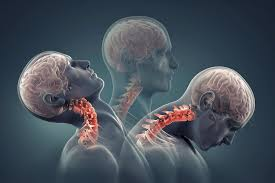
Overview
Concussion is a mild traumatic brain injury caused by a direct or indirect force transmitted to the brain. It is one of the most common and most frequently under-recognised injuries in sport. Concussion can occur in any sport or physical activity but is particularly prevalent in contact and collision sports such as rugby, polo, equestrian sport and cycling.
Unlike many other injuries, concussion does not always involve a direct blow to the head. A significant impact to the body can transmit enough force to cause the brain to move within the skull. Symptoms may appear immediately or develop gradually over several hours, and in some cases may not be apparent until the following day.
Common Causes
- Direct impact to the head, face or neck during a collision or fall
- Indirect force transmitted through the body, such as a heavy tackle in rugby
- Falls from height, including falls from horses in polo or equestrian sport
- Being struck by equipment such as a polo mallet or cycling handlebar
- High-speed collisions in road cycling or motorsport environments
- Head-to-head contact in rugby scrums, lineouts or tackles
- Ground impact following a fall during competition or training
Signs and Symptoms
Symptoms of concussion vary between individuals and may not all be present. Any athlete displaying one or more of the following signs following a head impact should be assessed and removed from play.
- Headache or a feeling of pressure in the head
- Dizziness or balance problems
- Confusion or feeling mentally 'foggy'
- Nausea or vomiting
- Sensitivity to light (photophobia) or noise (phonophobia)
- Blurred or double vision
- Slowed reaction times
- Difficulty concentrating or remembering
- Unusual behaviour, irritability or emotional changes
- Excessive tiredness or fatigue
- A brief loss of consciousness (though this is not always present)
Immediate Actions
- Remove the athlete from play immediately — do not allow them to continue
- Conduct an initial assessment using a recognised tool such as the SCAT5 or Sport Concussion Recognition Tool
- Do not leave the athlete alone — monitor closely for deterioration
- Ensure the athlete is seated safely and rested
- Do not allow the athlete to drive or travel alone
- Advise the athlete to avoid alcohol, screens and strenuous activity
- Inform a responsible adult or carer of the suspected concussion
- No same-day return to play under any circumstances
When to Call Emergency Services
- Loss of consciousness, even briefly
- Seizure or convulsion
- Worsening headache that does not improve with rest
- Repeated vomiting
- Increasing confusion, agitation or unusual behaviour
- Weakness or numbness in arms or legs
- Difficulty speaking, walking or swallowing
- One pupil significantly larger than the other
- Deterioration in conscious level
Event Environment Considerations
At organised sporting events, medical personnel should be equipped and prepared to assess suspected concussion at the trackside or pitch side. Effective management in these environments requires:
- A designated quiet area away from the playing field for assessment
- Access to a concussion assessment tool such as the SCAT5
- Clear communication between medical staff, referees and team officials
- A documented record of the assessment and actions taken
- Coordination with the athlete's own medical team where applicable
In equestrian and polo environments, additional considerations include the risk of further falls if the rider is returned to activity prematurely, and the importance of helmet integrity assessment following a significant head impact.
Prevention Advice
- Wear appropriate, well-fitted protective headgear for the sport — replace helmets after significant impacts
- Follow sport-specific concussion protocols and return-to-play guidelines
- Ensure all coaches, officials and team staff receive concussion awareness training
- Encourage athletes to report symptoms rather than playing through them
- Review tackle and collision techniques to minimise head contact
- Implement structured pre-season concussion baseline assessments where possible
Return to Sport Guidance
Return to sport must follow a graduated return to play (GRTP) protocol. Each stage should only be progressed once the athlete has been completely symptom-free for a minimum of 24 hours. Medical clearance from a qualified clinician is required before full contact training or competition.
Complete rest until symptom free
Cognitive and physical rest
Light aerobic exercise
Walking, swimming or stationary cycling — no resistance training
Sport-specific exercise
Running drills, skating drills — no head-impact activities
Non-contact training drills
More complex drills — resistance training may begin
Full contact practice
Medical clearance required before this stage
Return to competition
Normal game play
Sport-Specific External Guidance
The graduated return to play protocol above is generic. Please also refer to your sport's governing body for sport-specific concussion protocols and requirements.
When to Seek Medical Assessment
All athletes with a suspected or confirmed concussion should be reviewed by a medical professional before returning to sport. A GP, sports medicine physician or emergency department assessment is appropriate depending on the severity of symptoms.
- Any athlete who has lost consciousness, even briefly
- Athletes whose symptoms have not resolved within 10–14 days
- Children and adolescents — who should always be assessed by a clinician
- Anyone with a history of previous concussions
- Athletes experiencing persistent memory problems, mood changes or sleep disturbance
This guidance is provided for informational purposes only and does not replace professional medical advice or emergency medical care.